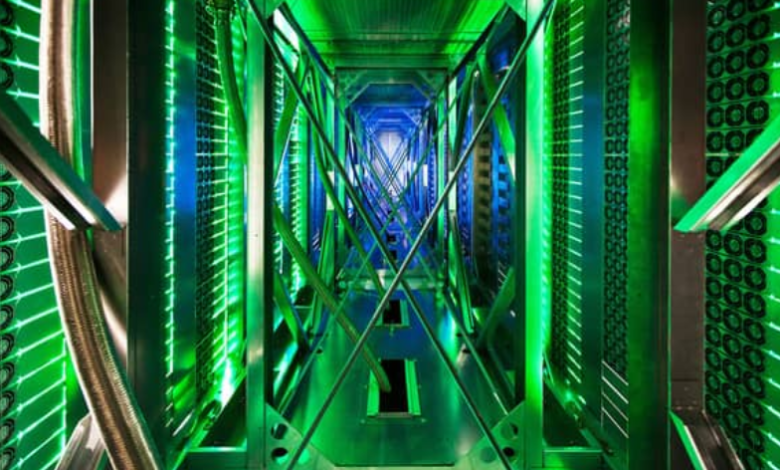
In today’s fast-paced digital world, businesses are increasingly looking for efficient, scalable, and cost-effective solutions to manage their IT infrastructure. One innovation gaining traction is the “Data Center in a Box” concept. But what exactly does this mean, and why is it becoming a preferred choice for businesses of all sizes? This article explores the idea, benefits, use cases, and considerations of adopting a Data Center in a Box solution.
What is a Data Center in a Box?
A Data Center in a Box is essentially a pre-fabricated, modular data center solution that integrates computing, storage, and networking capabilities into a single, portable unit. Unlike traditional data centers that require extensive construction, power infrastructure, and cooling systems, a Data Center in a Box comes pre-configured and ready to deploy. It is designed to offer the same functionalities as a conventional data center, but with faster deployment and lower operational complexity.
These units often include:
- Rack-mounted servers and storage devices
- Network switches and routers
- Integrated cooling and power systems
- Security systems to protect data and equipment
- Remote monitoring and management software
This self-contained design allows organizations to establish or expand their IT infrastructure quickly, even in locations where building a full-scale data center is impractical.
See also: Why Custom Sticky Notes Still Win in a Digital-First World
Key Features of a Data Center in a Box
- Portability and Modularity
One of the standout features is portability. These units are modular, meaning additional units can be added as demand grows. Businesses can transport them to remote locations, disaster zones, or temporary sites without significant setup challenges. - Rapid Deployment
Traditional data centers can take months or even years to construct. Data Center in a Box solutions are ready to operate within days or weeks, reducing downtime and enabling faster business operations. - Energy Efficiency
Modern designs include energy-efficient cooling and power systems, reducing the operational costs of maintaining high-performance infrastructure. - Security and Reliability
These units are equipped with advanced physical and cyber-security measures. Many come with redundant systems to ensure continuous uptime, even in case of hardware failure. - Scalability
Businesses can start with a single unit and expand their infrastructure seamlessly as their data needs grow, without significant capital investment.
Benefits of Using a Data Center in a Box
- Cost-Effective Solution: Eliminates the need for expensive construction and long-term maintenance associated with traditional data centers.
- Flexibility: Can be deployed in diverse environments, from urban offices to remote field locations.
- Time-Saving: Pre-configured units reduce installation time dramatically.
- Disaster Recovery Ready: Ideal for backup, disaster recovery, and business continuity plans.
- Customizable: Organizations can tailor computing power, storage, and networking according to their specific needs.
Use Cases for a Data Center in a Box
- Edge Computing
Companies deploying IoT or AI applications near the data source can benefit from these compact units, reducing latency and enhancing processing speed. - Remote Locations
Mining sites, oil rigs, and research stations often operate far from traditional infrastructure. Data Center in a Box units provide essential computing power in these areas. - Temporary Projects or Events
Government projects, military operations, or large-scale events requiring temporary IT infrastructure can leverage these modular solutions. - Disaster Recovery Sites
Businesses can maintain a ready-to-deploy unit for disaster recovery, ensuring minimal downtime during emergencies.
Considerations Before Deploying
While Data Center in a Box offers numerous advantages, organizations should consider:
- Power and Connectivity Requirements: Ensure the site has sufficient electrical capacity and network connectivity.
- Security Protocols: Evaluate physical and cyber-security measures based on sensitive data requirements.
- Environmental Conditions: Some units may have limitations on temperature, humidity, or vibration.
- Maintenance and Support: Check for manufacturer support, warranties, and ease of component replacement.
FAQs About Data Center in a Box
Q1: How much does a Data Center in a Box cost?
The cost varies depending on size, capacity, and customization but is generally more affordable than building a traditional data center from scratch.
Q2: Can it replace a traditional data center entirely?
It can serve as a primary or secondary data center, but large enterprises with extremely high computing needs may still require a full-scale traditional facility.
Q3: How secure is a Data Center in a Box?
Most units include physical locks, biometric access, fire suppression, and network security measures to ensure data protection.
Q4: How long does it take to deploy?
Deployment can take anywhere from a few days to a few weeks, depending on the configuration and location.
Q5: Is it environmentally friendly?
Yes, these units are designed for energy efficiency and optimized cooling, reducing the overall carbon footprint.
Conclusion
The Data Center in a Box is a game-changing solution for businesses seeking agility, scalability, and cost efficiency in managing their IT infrastructure. By combining portability, rapid deployment, and robust functionality, it addresses many of the limitations of traditional data centers. Whether for edge computing, remote operations, disaster recovery, or temporary projects, this modular approach provides a flexible, reliable, and future-ready solution for modern enterprises.